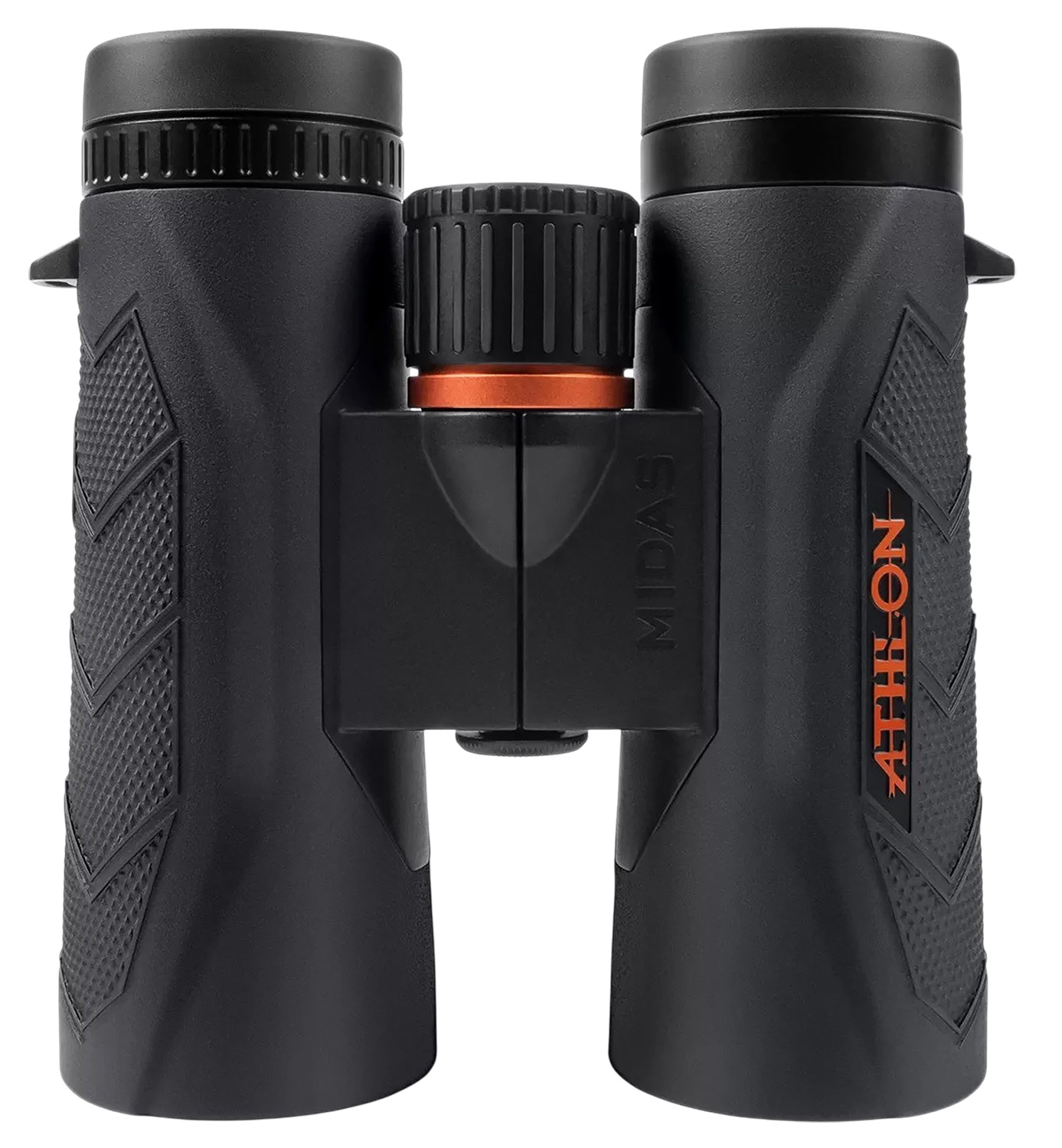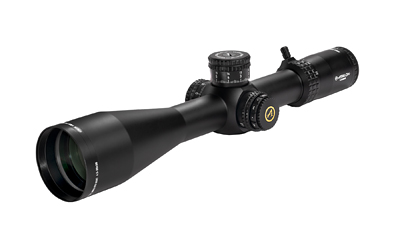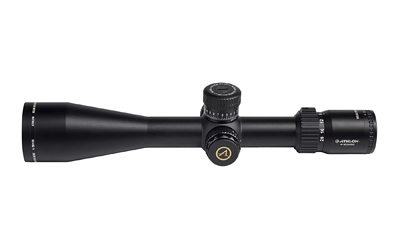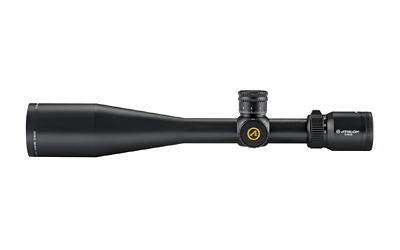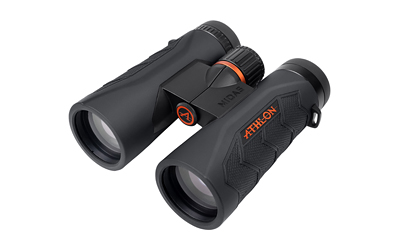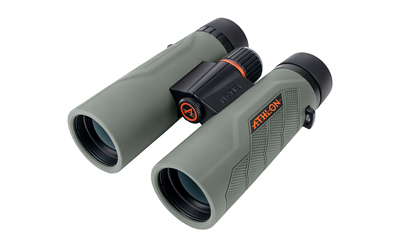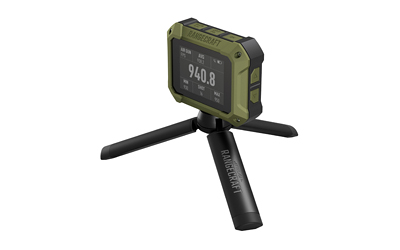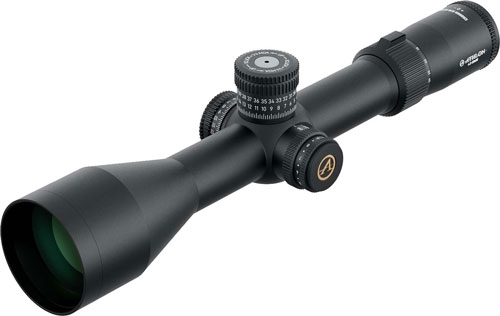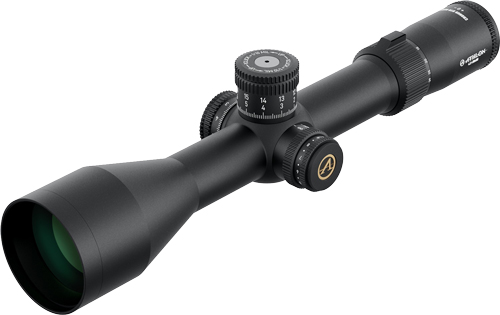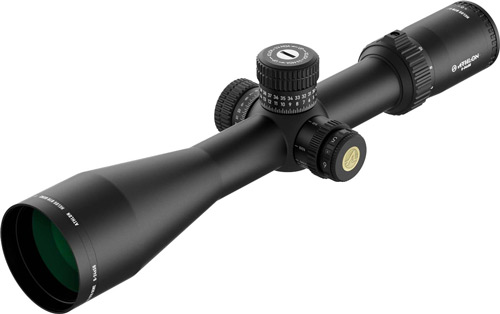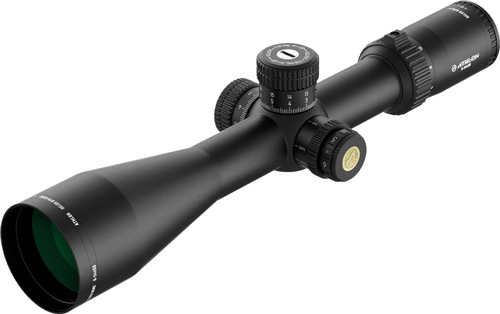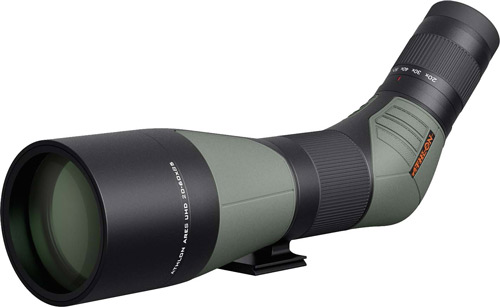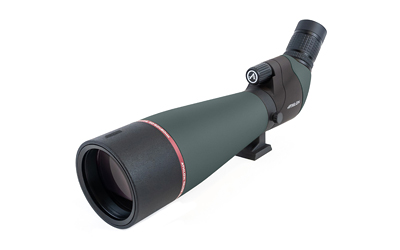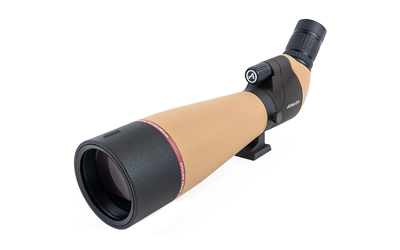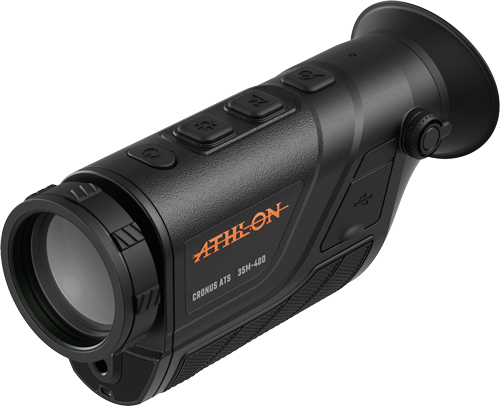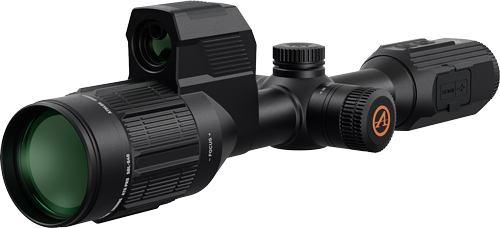
Test-drive ATHLON scopes and optics at our Harlan, Iowa gun shop, or order online and receive fast delivery no matter where you shoot in the U.S. Thunder Guns West carries a complete selection of Athlon optics known for clear glass quality, dependable tracking, and steady field performance. Athlon is trusted by hunters, long-range shooters, and anyone who wants consistent results without unnecessary complexity. Users can choose spotting scopes for stable viewing and accurate target identification. Shooters who want a dependable rifle setup can run gun scopes that hold zero and track cleanly. Those needing fast field observation can use binoculars built for crisp clarity and comfortable handling. Owners can finish their builds with scope accessories and scope parts that support proper mounting and adjustments. Thunder Guns West stocks Athlon for shooters who want practical, well-made optics ready for hunting, training, or range use.
Buy Athlon optics in our Harlan, Iowa gun shop or purchase online to get nationwide shipping across the U.S. Thunder Guns West carries ATHLON for shooters who want clear glass, dependable tracking, and steady performance that stays practical on hunts, training days, and range sessions.
When the goal is consistent hits without extra fuss, this brand fits the brief.
Optics earn their reputation the hard way. A scope that looks sharp on a bench still has to hold zero after bumps, temperature swings, and time in a case. Binoculars need to stay comfortable after hours of glassing. A spotter has to give a clean view when mirage starts to build. Athlon sits in a sweet spot where results stay repeatable and the controls feel straightforward.
Below are the main traits we look for when we recommend Athlon:
A crisp view helps with more than comfort. We can pick out antler points in brush, confirm target edges on steel, and read detail without eye strain. Clarity matters most at the exact moments when light fades and the shot window tightens.
Dialing becomes worthless when adjustments drift or fail to return. We want turrets that move the reticle the right amount and come back to zero without drama. That reliability pays off during a long-range session where the rifle runs multiple distances in one outing.
Gloves, cold fingers, rain, and dust all change how gear feels. We prefer controls that stay positive and consistent, so adjustments remain deliberate rather than guesswork.
One shooter wants a simple hunting scope that stays clean and uncluttered. Another wants a setup that supports measured holds and quick corrections. Athlon offers enough variety to cover both without forcing buyers into overly complex features.
Most optic problems start at the system level. A great scope paired with weak mounting hardware can lose zero. A solid rifle paired with the wrong magnification range can feel slow and cramped. We focus on building complete solutions that suit how the rifle will actually get used.
Here’s how we think about optic systems before choosing the exact model:
Distance, terrain, and pace decide the right tool. Thick timber calls for different priorities than open ground. Range practice demands repeatability and clear data.
Ring height, base style, and proper torque all shape the final experience. A stable mount protects point of impact and keeps confidence intact.
Lens covers, cleaning tools, and smart mounting details reduce setbacks. Those small items keep the view clear and the rifle ready.
Athlon rifle scopes work well for hunters, practical shooters, and long-range owners who want a dependable optic that stays honest. We aim for scopes that set up easily, stay stable after recoil, and make corrections feel consistent.
These are the factors that shape a solid scope choice:
A deer rifle that lives between 50 and 200 yards needs speed and a usable sight picture. A rifle built for steel often needs a wider adjustment approach and a reticle that supports holds. We pick the scope style based on the real distance plan.
A busy reticle can slow a hunter. A simple duplex can slow a long-range shooter who needs fast holds. We guide buyers toward a reticle that fits their pace and their eyes.
Clicks should feel positive and consistent. We like turrets that stay set once dialed, so a rifle doesn’t wander after a long carry or a hard case ride.
Bigger objective lenses can help in low light, yet weight and balance still matter. We balance brightness with handling so the rifle stays comfortable in the field.
Some shooters dial for distance. Others hold for speed. Many use both. We match the scope layout to the way the shooter already works so the system feels natural.
Binoculars can save time and reduce fatigue. They help us locate game, confirm detail, and watch movement without pointing a rifle. A good pair becomes a daily tool, not a luxury.
Key selection points tend to look like this:
Higher power can pull detail from distance, yet it can shake in the hands. Lower power often feels steadier and faster in tighter cover. We steer magnification toward how the user actually glasses.
Large objectives can help at dawn and dusk, though they add bulk. We aim for a balance that suits the season and the carry method.
Comfort drives use. If the view blacks out or the eyecups never feel right, binoculars stay in the truck. We want a repeatable eye position that stays consistent.
Field life includes dust, cold mornings, and wet brush. We prefer glass that is built for that routine and feels tough enough to trust.
A spotting scope brings order to distance work. It helps confirm impacts, read splash, and tighten a dope plan without walking every string. Hunters benefit too, since a spotter can help judge detail at distance without pushing closer than the situation allows.
Here are the decision points we use for spotting scopes:
Straight bodies can feel quick for bench use and shared viewing. Angled bodies can feel more comfortable for extended glassing with a tripod. We match the design to how the scope will be used most often.
More power only helps when the image stays sharp. We prefer a zoom range that remains clear through the middle and still provides value at the top end.
A spotter needs a steady platform. Tripod height, head type, and clamp style all affect how usable the view feels at higher magnification.
A spotter can shorten the learning curve. Better shot calling turns random misses into clean corrections, and that keeps training productive.
Accessories tend to feel optional until they prevent a problem. Lens covers keep glass safe in a case. Cleaning tools preserve coatings. Small mounting details can stop creep that ruins a zero.
Common accessory goals include:
Covers and cases keep lenses from getting scratched and keep turrets from taking hits.
We stick with tools that remove dust safely and keep coatings in good condition.
Throw levers, anti-cant solutions, and small setup tools can make a scope easier to run under time pressure.
Mounting issues cause a surprising number of “bad scope” complaints. Rings that slip or bases that shift can move point of impact and drain confidence fast. We treat mounting like part of the optic, not an afterthought.
These are the parts that decide whether a setup stays stable:
Tube size and ring height should match the optic and the rifle’s stock geometry. Correct height supports a steady cheek weld and a consistent view.
A solid base keeps alignment consistent and reduces stress on the optic body.
Correct torque protects hardware and helps prevent movement. We walk customers through the basics so they do not crush tubes or strip screws.
Caps, levels, and other small pieces can make a rifle easier to verify and easier to maintain.
Optics feel simpler when the whole setup gets planned together. A scope needs a rifle that suits it. Ammunition needs to match the intended use. Observation tools should support how the shooter gathers data.
A complete system tends to include these decisions:
A light hunting rifle asks for different optic priorities than a heavy steel rifle. Our Rifles category helps builders match the optic choice to the firearm’s purpose.
Ballistics and accuracy depend on consistent loads. The easiest path to good data starts with dependable ammo, then a zero that stays verified. Our Rifle Ammunition category supports that process for hunters and range shooters.
Binoculars speed up scanning and reduce fatigue. Spotting scopes help confirm impacts and tighten corrections during long sessions.
Weight, balance, and control layout matter once the rifle leaves the bench. We aim for systems that feel practical on day one, not just impressive online.
We keep Athlon on the shelf for one reason. It delivers consistent performance without turning every setup into a science project. Hunters, long-range shooters, and everyday range regulars benefit from optics that track predictably, stay clear, and keep controls simple. When customers want practical glass that works across seasons, Athlon belongs in the conversation.
Yes. We keep a selection of Athlon scopes and optics available in our Harlan, Iowa location, and inventory can vary by model and season.
Yes. We ship Athlon optics to customers across the U.S. so you can order online and receive delivery wherever you shoot.
We carry Athlon rifle scopes, binoculars, and spotting scopes for hunting, training, and range use. We also stock supporting items like scope accessories and scope parts for proper setup.
Yes. Athlon scopes are known for dependable tracking and consistent performance, which supports repeatable dialing and clean corrections at distance.
Yes. Many hunters choose Athlon for clear glass and steady field performance in changing light and weather. We can help match magnification and features to the game and terrain you hunt.
Yes. When mounted correctly with quality hardware and proper torque, Athlon scopes are built to hold zero through routine carry and recoil. We recommend verifying zero after installation and periodically during the season.
Yes. We carry scope accessories and scope parts that support proper mounting, protection, and adjustments for a reliable rifle setup.
Yes. We can help narrow options based on your firearm, typical distance, and how you shoot, whether that is hunting, training, or range work. Our goal is to get you into an optic that performs without unnecessary complexity.